

Achieving Consistent Colour, Better Performance, and Higher Production Efficiency
In industries such as plastics and printing inks, colour is not just about aesthetics — it’s a critical indicator of product quality, brand consistency, and manufacturing precision.
Yet, many manufacturers in Malaysia continue to face recurring challenges such as uneven colour distribution, pigment settling, and inconsistent batch performance.
These issues are rarely caused by pigments alone. More often, they stem from poor dispersion systems — a hidden but crucial factor in determining how pigments perform in real-world applications.
At JC Nanotech Sdn Bhd, we believe that true colour performance begins at the dispersion level. With over 16 years of experience, we help manufacturers transform raw pigments into high-performance, stable, and production-ready colour systems.

What is Pigment Dispersion — and Why It Matters
Pigment dispersion refers to the process of evenly distributing pigment particles within a liquid or solid medium, such as resin, solvent, or polymer. Proper dispersion ensures that pigments are uniformly separated and stabilized, preventing clumping or agglomeration.
A well-dispersed pigment system delivers:
- Uniform colour strength and tone
- Improved gloss and surface finish
- Better stability during storage and processing
- Enhanced mechanical and chemical performance
On the other hand, poor dispersion leads to:
- Colour streaking or patchiness
- Sedimentation or separation
- Increased material waste
- Reduced product quality
For plastic and ink manufacturers, this can directly impact production efficiency, customer satisfaction, and profitability.
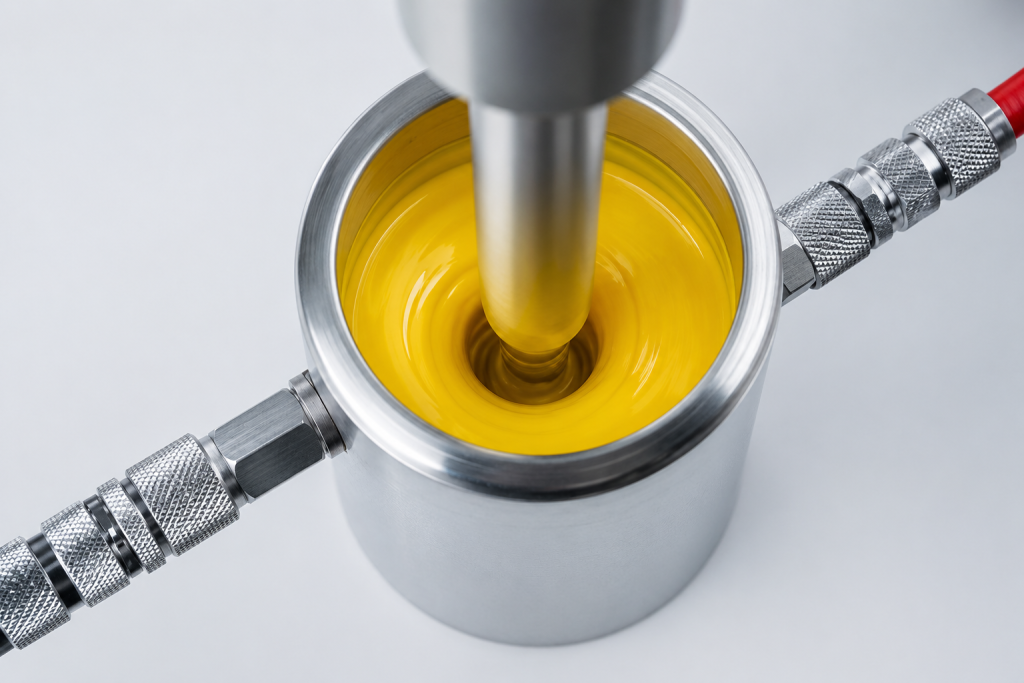
Common Challenges in Plastic and Ink Manufacturing
Pigment Agglomeration
Pigment particles tend to cluster together due to strong intermolecular forces. Without proper dispersion, these agglomerates create uneven colour distribution and weak spots in the final product.
Colour Inconsistency Across Batches
Inconsistent mixing or unstable dispersion leads to variations in colour tone, affecting brand consistency and product reliability.
Poor Flow and Processing Issues
In plastics and inks, improper dispersion affects viscosity and flow behavior, causing difficulties in extrusion, injection molding, or printing processes.
Sedimentation During Storage
Poorly stabilized pigments settle over time, requiring re-mixing and causing production delays and inefficiencies.
Higher Production Waste
Defective products due to colour inconsistency or surface defects increase scrap rates and operational costs.
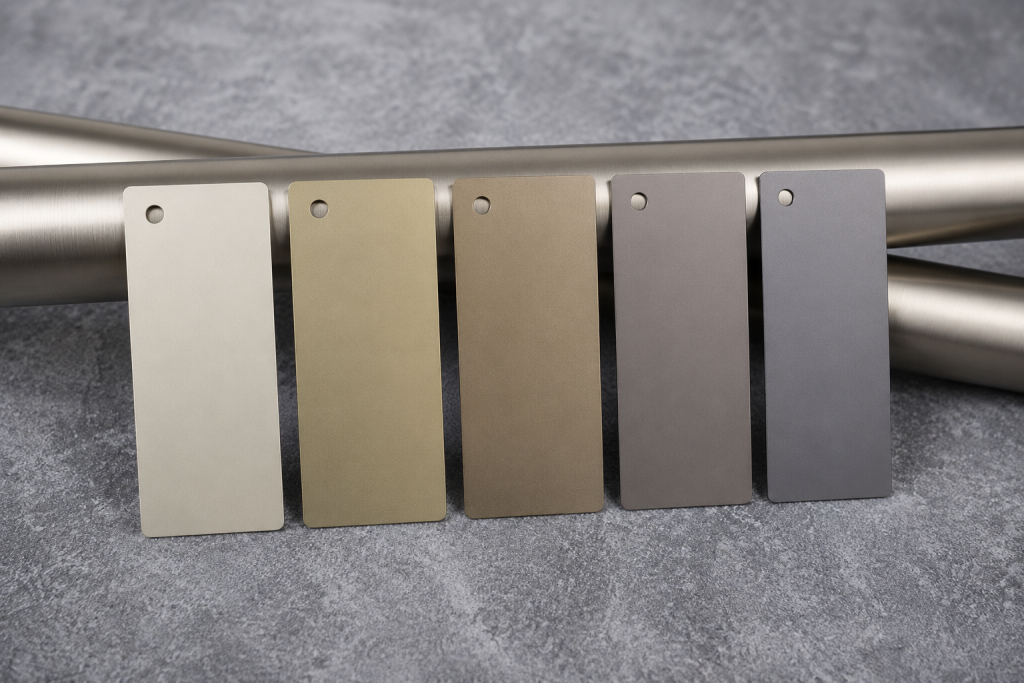
How Advanced Pigment Dispersions Solve These Problems
Advanced pigment dispersion technology goes beyond simple mixing. It involves precise control of particle size, surface treatment, and stabilization mechanisms to ensure optimal performance.
Controlled Particle Size Distribution
By reducing pigment particles to a fine, uniform size, dispersion systems improve colour intensity and consistency. Smaller particles also enhance light reflection and opacity, resulting in better visual performance.
Result: Brighter colours, smoother finishes, and consistent quality across batches.
Stabilization Against Re-Agglomeration
Advanced dispersants prevent pigment particles from re-clustering by creating electrostatic or steric barriers. This ensures long-term stability in both storage and processing.
Result: No sedimentation, reduced rework, and improved shelf life.
Optimized Compatibility with Resins and Polymers
Each application — whether ink or plastic — requires specific compatibility with binders and carriers. Advanced dispersion systems are designed to integrate seamlessly with different resin systems, including PU, acrylic, and thermoplastics.
Result: Improved adhesion, better mechanical properties, and smoother processing.
Improved Processing Efficiency
Well-dispersed pigments enhance flow properties, making manufacturing processes such as extrusion, molding, and printing more efficient.
Result: Faster production cycles, reduced machine wear, and lower energy consumption.

Applications
In Plastic Manufacturing
In plastic production, pigment dispersion directly affects both appearance and functionality.
Injection Molding & Extrusion
Advanced dispersions ensure uniform colour distribution, preventing streaking or uneven shading in molded parts.
Masterbatch Production
High-quality pigment dispersions are essential for producing consistent masterbatches, which are used as colour concentrates in plastics.
Performance Enhancement
Proper dispersion improves UV resistance, heat stability, and durability, especially for outdoor applications.
Outcome: Manufacturers achieve high-quality plastic products with consistent colour, reduced defects, and improved durability.
In Ink Manufacturing
For printing inks, dispersion quality is even more critical due to the need for precision and consistency.
Printing Quality
Advanced pigment dispersions provide sharp, vibrant prints with consistent colour density, essential for packaging, labeling, and commercial printing.
Flow and Stability
Stable dispersions ensure inks flow smoothly through printing equipment without clogging or inconsistency.
Long-Term Performance
High-quality dispersions maintain colour integrity over time, even under exposure to light and environmental conditions.
Outcome: Ink manufacturers deliver reliable, high-performance products that meet demanding quality standards.
JC Nanotech’s Approach to Pigment Dispersion
JC Nanotech stands out by combining product technology with application know-how, creating solutions that work not just in the lab — but in real production environments.
- Customized Pigment Solutions
We develop tailored pigment dispersions and pastes based on:
- Application (plastic, ink, coating, latex)
- Processing method (extrusion, printing, coating)
- Performance requirements (colour strength, durability, stability)
- Integrated Colour Solution Centre
As a “Colour Solution Centre,” JC Nanotech offers:
- Pigment powder and paste manufacturing
- Organic and inorganic pigment distribution
- Specialty pigments (carbon black, iron oxide, fluorescent, glow-in-the-dark)
This integrated capability allows us to control quality from raw material to final formulation.
- Technical Support and Optimization
Our team works closely with manufacturers to:
- Improve dispersion processes
- Optimize formulation ratios
- Troubleshoot production issues
This ensures that customers achieve consistent results and maximum efficiency
Why Pigment Dispersion is a Competitive Advantage
In today’s market, manufacturers are not just competing on price — they are competing on quality, consistency, and reliability.
A superior dispersion system allows companies to:
- Deliver consistent products to global markets
- Reduce production risks and downtime
- Maintain strong brand identity through colour consistency
- Meet international quality standards
This is why leading manufacturers treat pigment dispersion not as a cost — but as a strategic investment.
Future Trends in Pigment Dispersion Technology
JC Nanotech continues to invest in innovation, ensuring customers stay ahead in both performance and sustainability.
The industry is evolving rapidly, with new developments focusing on:
- Eco-friendly, water-based dispersions
- Nanotechnology for ultra-fine particle control
- Smart pigments with functional properties
- Automation-friendly formulations for Industry 4.0
Conclusion: From Colour to Competitive Advantage
From pigments to performance — success starts with the right dispersion system.
Pigment dispersion is the foundation of high-quality plastic and ink manufacturing. Without proper dispersion, even the best pigments cannot deliver consistent results.
By partnering with JC Nanotech, manufacturers gain access to:
- Advanced dispersion technology
- Customized colour solutions
- Proven application expertise
- Reliable, consistent product performance
Ready to Improve Your Colour Performance?
Let JC Nanotech help you optimize your pigment systems for better efficiency, consistency, and results.
📩 Contact us today sales@jcnanotech.com.my to discover the right solution for your manufacturing needs.