
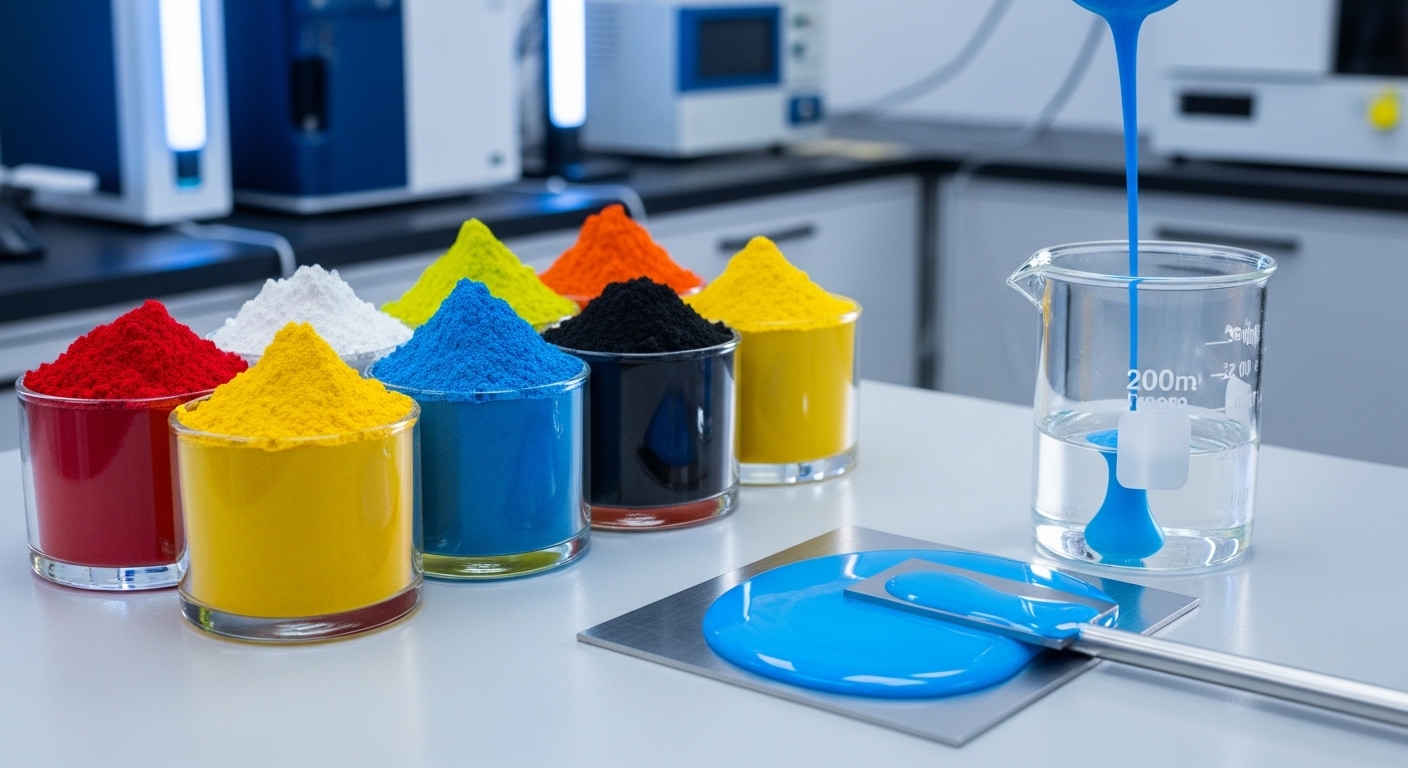
In today’s industrial landscape, colour is more than just an aesthetic choice — it’s a performance factor. Whether used in plastics, coatings, inks, textiles, or rubber, the right pigment system enhances not only the visual appeal of a product but also its durability, resistance, and functionality.
For manufacturers in Malaysia’s fast-growing industrial sector, choosing the right colour solution can make the difference between a product that fades over time and one that stands strong under extreme conditions. Let’s dive into how pigments play a crucial role in performance and how businesses can make informed decisions when selecting the right solution.
Understanding the Role of Pigments in Industrial Applications
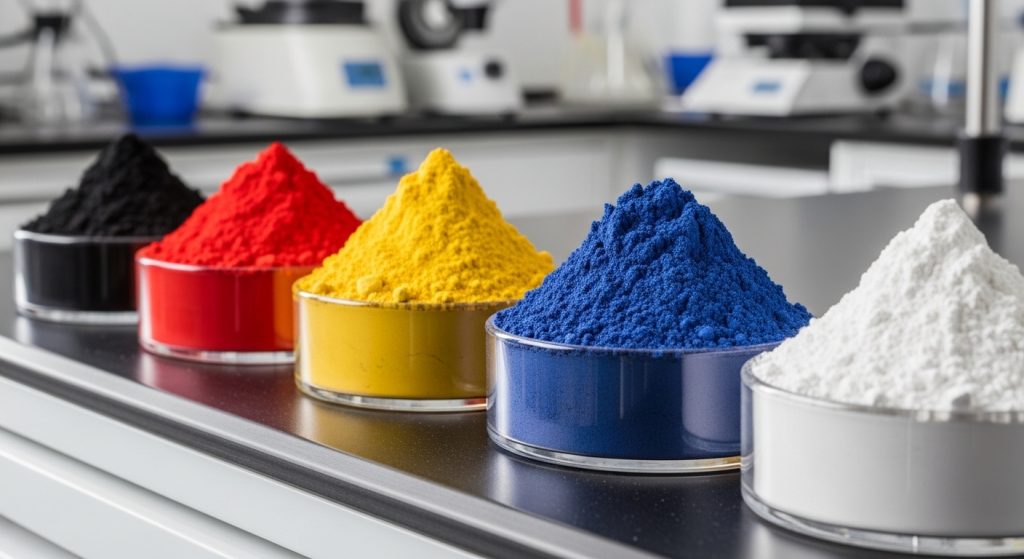
Pigments are finely ground materials that impart colour by selectively absorbing and reflecting specific wavelengths of light. Unlike dyes, which dissolve in a medium, pigments remain insoluble, giving them superior stability, opacity, and longevity — critical traits for industrial applications.
In sectors such as coatings, plastics, inks, and rubber, pigments do more than provide colour:
- UV protection — shielding surfaces from sunlight degradation.
- Chemical resistance — ensuring long-lasting colour in harsh environments.
- Heat stability — maintaining hue and performance under high processing temperatures.
- Weather durability — keeping products vibrant under rain, heat, and humidity.
When engineered correctly, pigments don’t just decorate — they defend.
Key Types of Pigments for Industrial Use
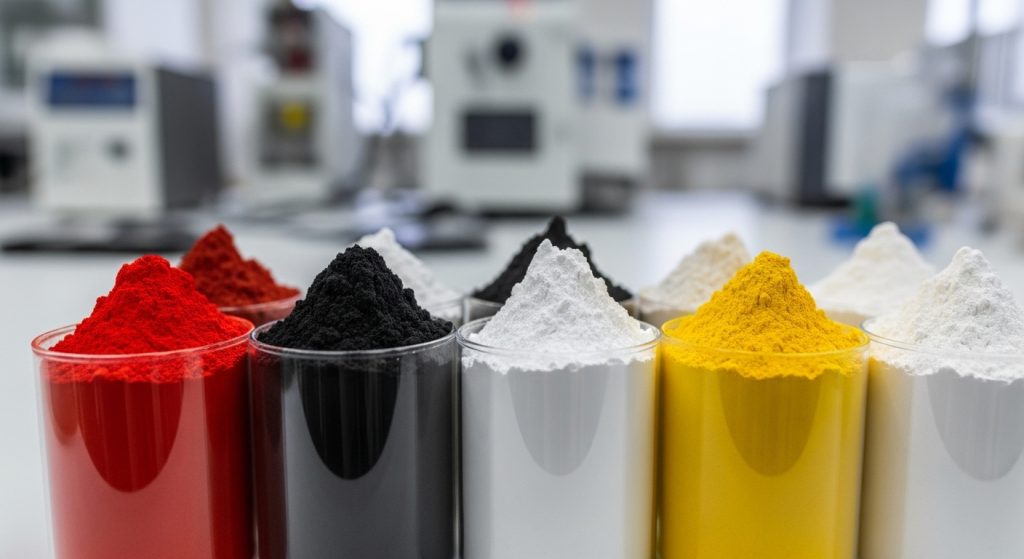
Industrial pigments are classified into two main categories — organic pigments and inorganic pigments, each with distinct advantages and application areas.
- Organic Pigments
Derived from carbon-based compounds, organic pigments such as azo, phthalocyanine, and quinacridone pigments are known for:
- Brilliant, high-intensity colours
- Excellent tinting strength
- Good dispersibility in various media
They’re widely used in applications where aesthetic vibrancy is key — such as printing inks, plastics, and coatings for consumer goods.
- Inorganic Pigments
Inorganic pigments like titanium dioxide, iron oxide, carbon black, and chrome oxide offer:
- Superior opacity and hiding power
- High thermal and chemical stability
- Excellent weather resistance
These are the go-to choice for industrial coatings, construction materials, and automotive finishes, where durability and resistance matter more than colour brilliance.
- Special Effect and Functional Pigments
Beyond traditional colourants, industries now explore functional pigments like:
- Fluorescent and phosphorescent pigments (for safety or glow-in-the-dark applications)
- Pearlescent pigments (for decorative finishes)
- Conductive and anti-static pigments (for electronics or protective coatings)
These innovations extend pigment use from visual enhancement to performance engineering.
Choosing the Right Colour Solution: Factors to Consider
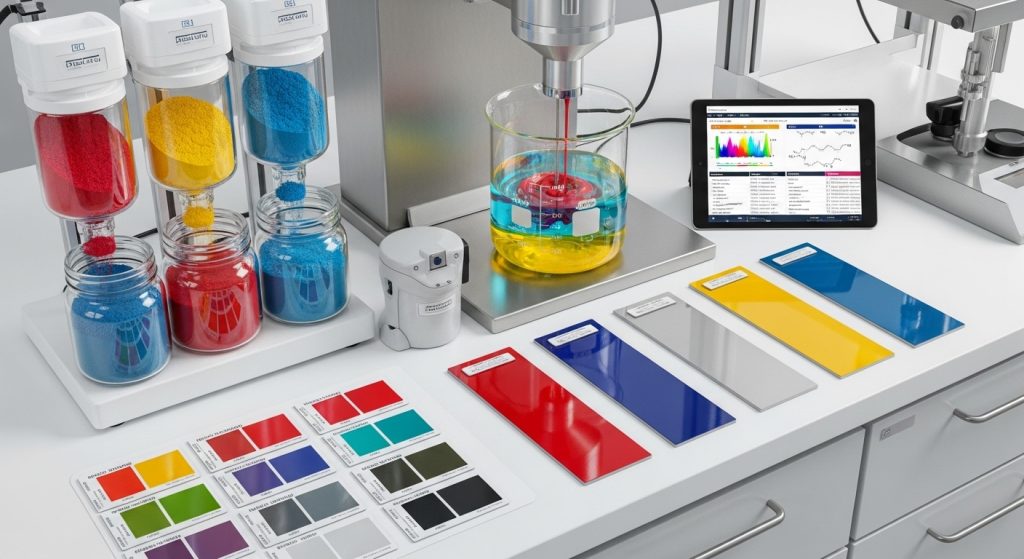
Selecting the right pigment or colour system involves more than picking a shade chart. It requires understanding how pigments behave in your specific application process and end-use conditions. Here are five key factors to guide your decision:
- End-Use Environment
Consider exposure to UV, moisture, chemicals, and temperature. For outdoor coatings, choose lightfast and weather-resistant inorganic pigments. For indoor consumer goods, organic pigments may provide better aesthetics.
- Compatibility with Base Material
Not all pigments are compatible with every medium. Pigments for latex or PU dispersions, for instance, must disperse evenly and maintain stability without agglomeration. Choosing the wrong pigment type can lead to uneven colouring, poor adhesion, or fading.
- Colour Consistency
Industrial applications often require tight batch-to-batch colour control. Working with a trusted pigment supplier who can ensure colour matching and reproducibility is essential, especially for branded or large-scale production runs.
- Processing Requirements
Processing temperature, mixing speed, and curing conditions can all affect pigment performance. High-heat applications such as thermoplastic molding require heat-stable pigments, while water-based coatings benefit from finely dispersed pigment pastes for smooth finish and consistency.
- Regulatory and Safety Compliance
Industries like food packaging, toys, and medical devices must comply with stringent chemical safety regulations. Using certified, non-toxic pigments ensures compliance and builds customer trust.
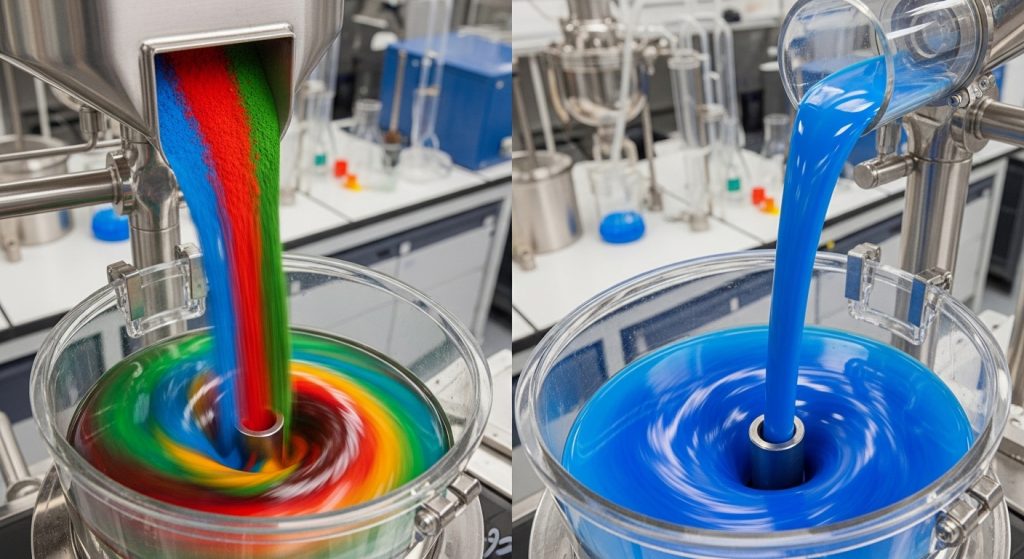
From Raw Pigments to Ready Solutions
Pigments alone are not always ready for direct industrial use. They often undergo further processing into pigment concentrates, pastes, or dispersions for easier integration and improved performance.
A well-formulated pigment paste provides:
- Uniform dispersion for consistent colour quality
- Improved stability to prevent settling or clumping
- Easy incorporation into various production systems (PU, latex, coating bases, etc.)
For instance, JC Nanotech’s Colour Solutions Division specializes in converting raw pigments into high-performance pigment pastes and dispersions tailored for industrial users across Malaysia — from latex glove manufacturers and coating producers to plastic compounders.
Their range covers:
- Pigment Powder & Paste Manufacturing
- Colour Solutions for Ink, Plastics, Coating, and Latex
- Organic & Inorganic Pigment Distribution
- Functional Pigments (Iron Oxide, Carbon Black, Fluorescent, Glow-in-the-dark)
This integrated approach ensures that customers receive not just colour, but colour engineered for performance.

The Future of Colour Performance
The evolution of colour technology is moving beyond traditional pigments toward smart colour systems — materials that respond to stimuli such as light, heat, or chemical exposure. These advanced solutions can enable new functionalities in coatings, sensors, and packaging.
As the demand for performance-driven colour rises, Malaysian manufacturers are increasingly partnering with trusted pigment solution providers who understand the local industry’s needs — combining technical know-how, formulation support, and product consistency.
Conclusion: Colour That Works as Hard as You Do
Choosing the right colour solution is not simply about visual appeal — it’s about function, durability, and innovation. From pigment selection to dispersion technology, every step affects how your product performs in the real world.
Whether you’re producing coatings that withstand the Malaysian climate or plastics that demand flawless consistency, partnering with a specialized pigment solution provider like JC Nanotech ensures that your colours deliver both beauty and performance.
From pigments to performance — your colour solution starts with the right partner.
📩 Connect with JC Nanotech today sales@jcnanotech.com.my — your trusted partner in chemical innovation.